Title: Reliability of Materials
Date: 26 May 2011
Class: Chemistry IB HL
Category: Other Classes
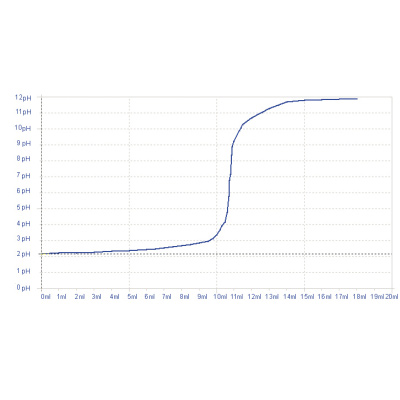
Today during class, we were continuing our analysis of our collected samples of pool water. A couple weeks ago, we had measured the pH of our samples using a field pH sensor. According to this pH sensor, the samples were portrayed as being basic as they had a pH greater than 7. We were in the process of titrating these samples and thus we added phenolphthalein in order to keep track of when this solution turned neutral. Because these samples were supposedly basic, they were to turn pink in color when we added the phenolphthalein. However once we added this to the sample, the sample remained clear in color. The clear color suggested that the solution was acidic. We were very confused as our sense perception of sight told us that this sample was acidic whereas the pH sensor told us that it was basic, and we knew that the sample could not be both acidic and basic because they were on two ends of the spectrum. Which material is reliable, the pH sensor or the phenolphthalein? In order to make sure all materials were working properly, we retested the pH using a different machine – the Logger Pro Vernier pH sensor. We then faced a different problem. The two pH sensors showed different results. Although both showed that the samples were relatively basic, the two sensors showed greatly varying numbers in pH value.
Class: Chemistry IB HL
Category: Other Classes
 |
| http://www.3bscientific.com/ |
[Knowledge Issues] How do we determine which material is reliable? How do we know which value is accurate? How dependent should scientists be on these materials? [Observation] Both materials use sense perception as a way of knowing; the pH sensors show their results by numbers on screens which we perceive with our sense of sight, and the phenolphthalein shows its results by the color change which we also perceive with our sense of sight. [Knowledge Issues] If both results are perceived through the sense of perception, how do we come to decide which data is more accurate to the actual value? Can we ever know, or do we need to decide through common sense? How do we know what the majority believe or think? Is a survey of a small group of people enough to assume about the majority of the people?

No comments:
Post a Comment